Advancing STAR Mobility in the AI Economy
AI is not just changing individual jobs. It is reshaping career pathways that provide upward mobility for workers, meet employers’ talent needs, and drive regional growth. New research explores why that matters for the more than 70 million workers Skilled Through Alternative Routes (STARs), how AI exposure is concentrated in key Gateway occupations, and why local leaders must act now to sustain and build the pathways of the future.
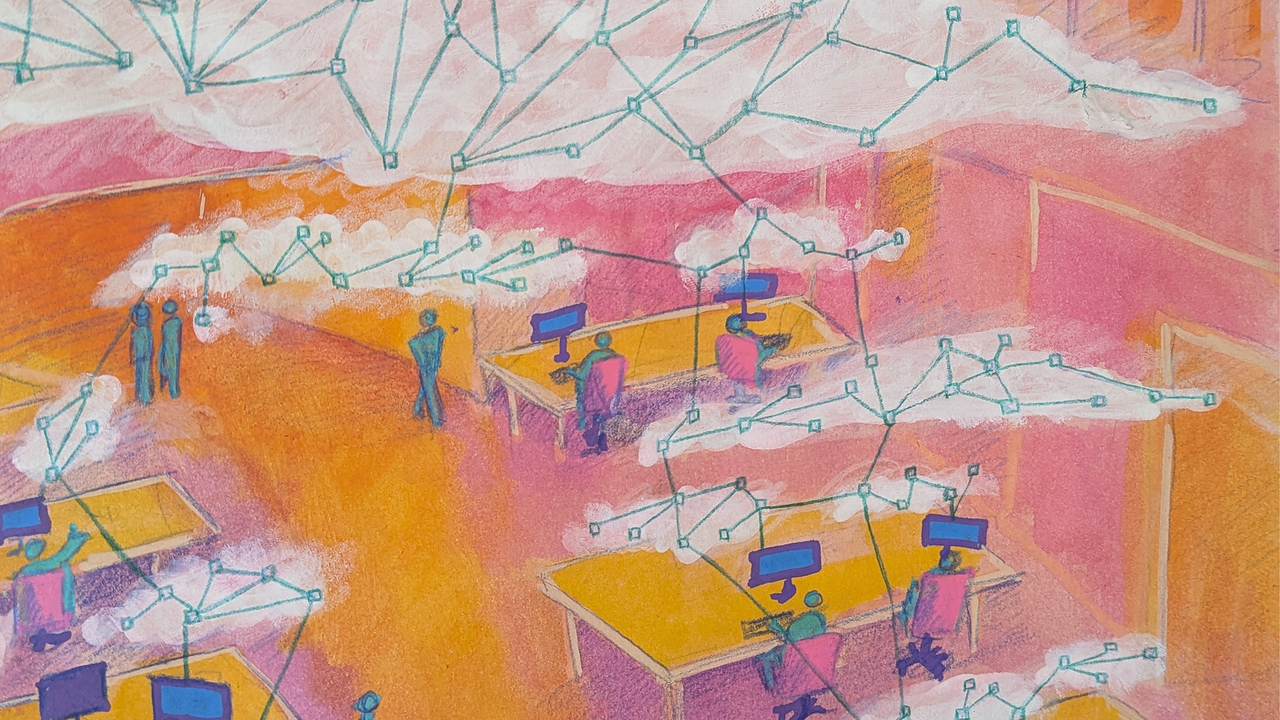
Much of the conversation about AI and work has focused on which jobs will be automated, augmented, or eliminated. But that frame is too narrow. What matters for workers, employers, and regional economies is whether AI weakens or strengthens the pathways that connect lower-wage work to better jobs.
.png)
Almost half of workers highly exposed to AI are STARs
Some 15.6 million—or one-fifth of the nation’s 70 million STARs—work in roles highly exposed to AI.
STARs make up 43% of all workers highly exposed to AI, meaning AI’s impact will be concentrated among workers who rely most on pathways for mobility.
At the same time, 23 million STARs have low adaptive capacity, meaning limited ability to weather job displacement and transition to new work.
Critically, around 3.5 million STARs are both highly exposed to AI and have low adaptive capacity, accounting for 67% of workers in this most vulnerable group.
.png)
Questions we need to answer:
How and where is AI reconfiguring job pathways?
What skills are becoming more valuable and to whom are they accessible?
What does "high-road" AI adoption look like in practice?
What forms of collective action are required to sustain regional resilience?
We stand at a crossroads.
The question is not simply which jobs are disrupted, but how AI reshapes the career pathways that connect workers to higher-wage opportunities.
If pathways narrow or disappear, advancement opportunities will decline, talent pipelines will weaken, and regional economies will face growing constraints.
Decisions being made now about job design, hiring practices, and skill development will determine whether pathways remain strong and accessible.
Leaders must act now to ensure AI strengthens pathways for all workers by supporting worker learning, maintaining access to key Gateway roles, and building new routes into higher-wage work.